
Equal parts. Not equal jobs.
Pick a path. Every drink below is made with 9diDANTE.
9% ABV or less in the glass: the strength of a beer.
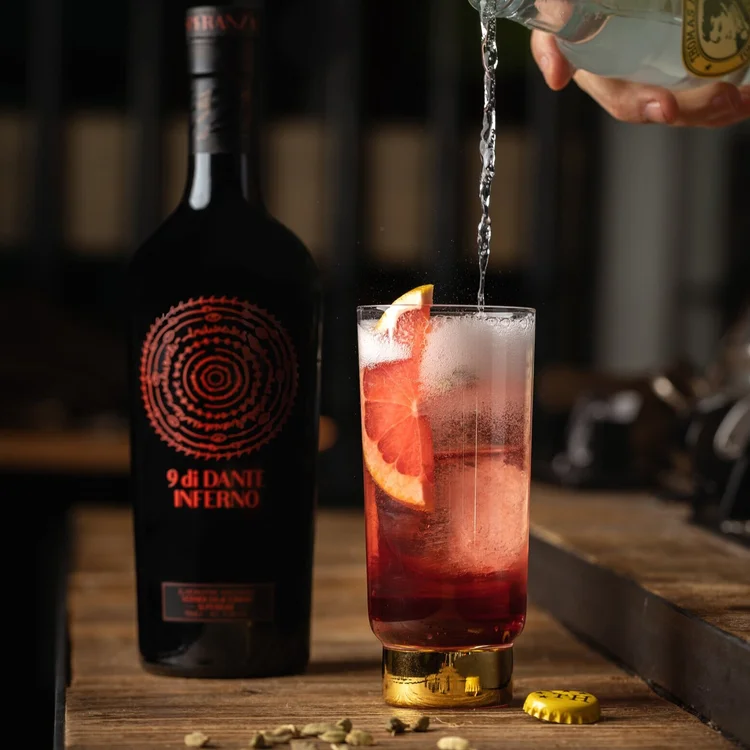
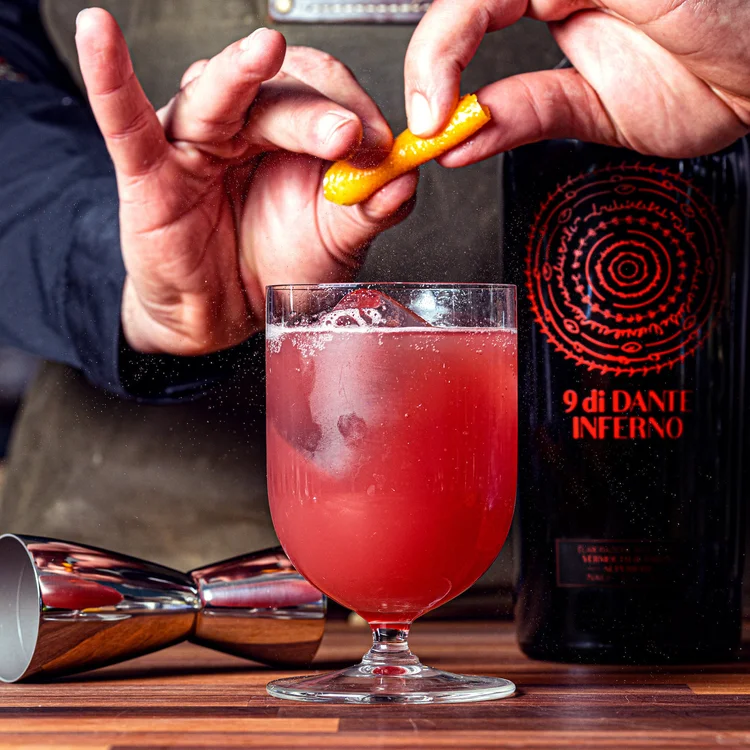
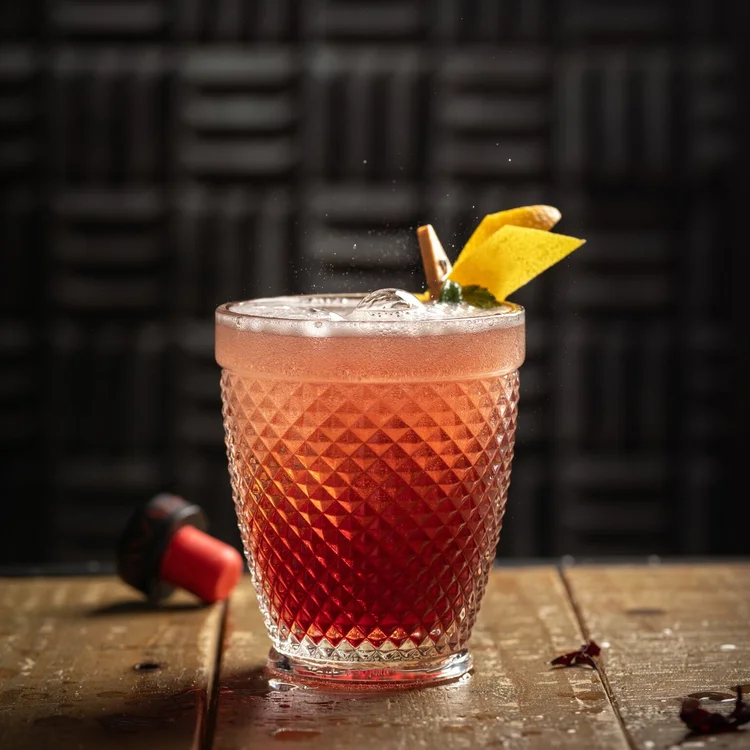
ABV figures are estimates, to be confirmed. [PLACEHOLDER] marks a spec still to confirm.
The canon, made with 9diDANTE.
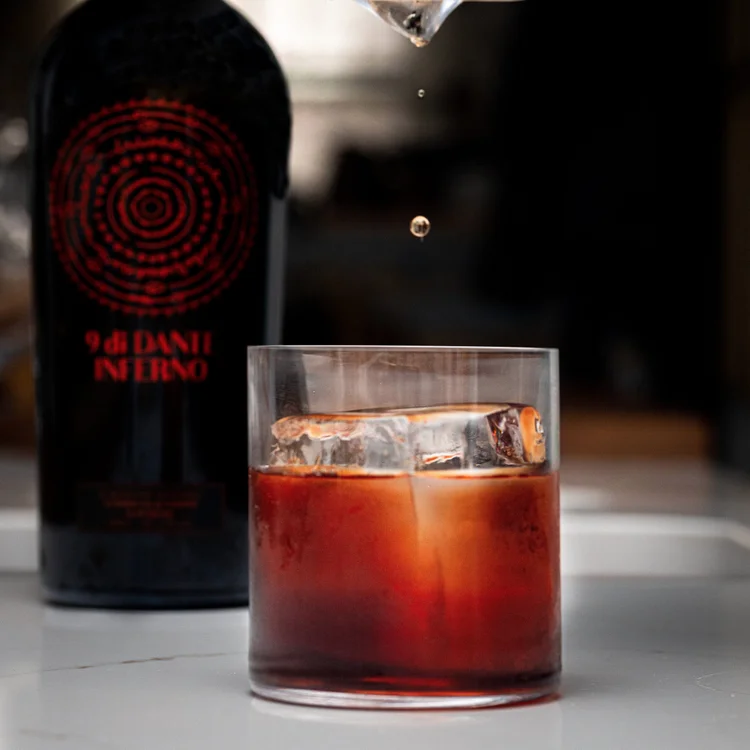
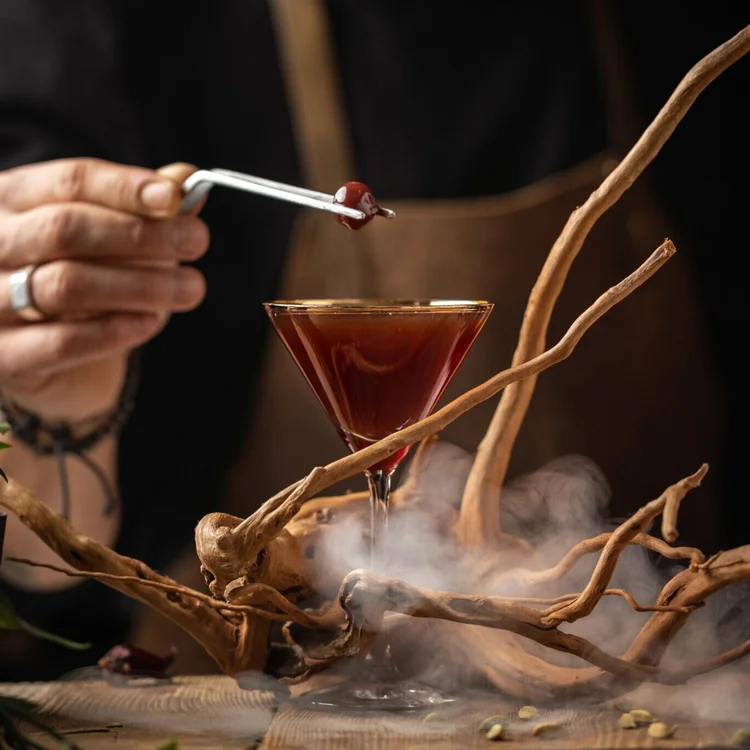
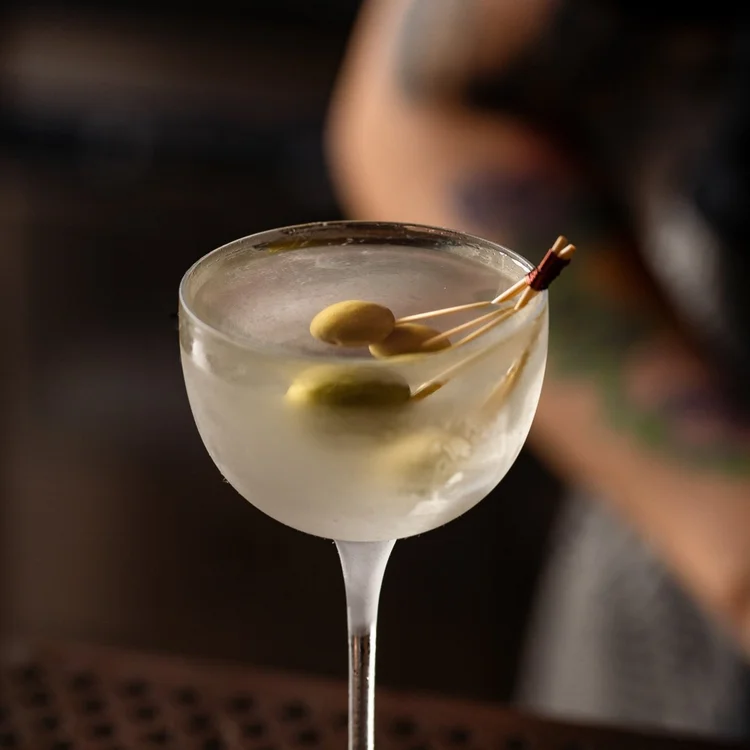
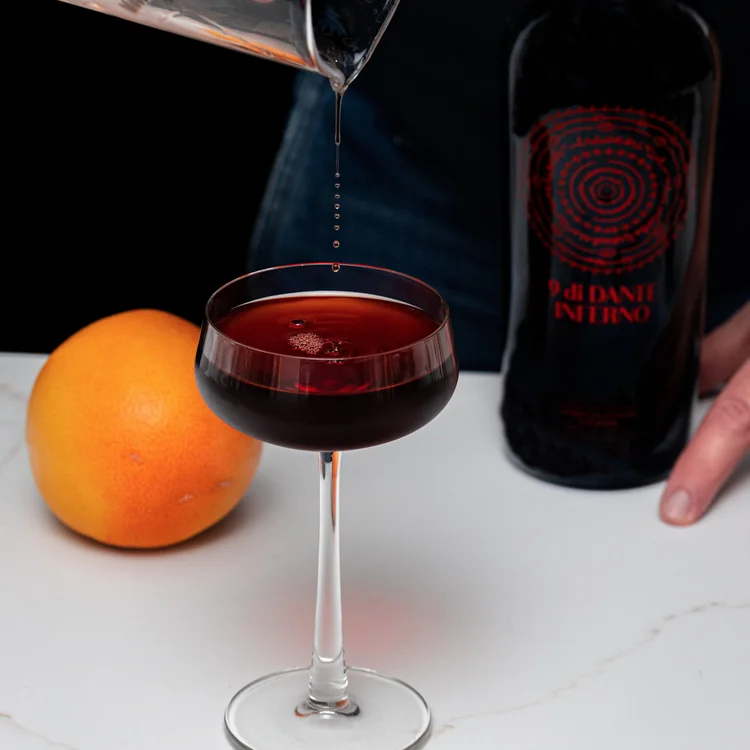
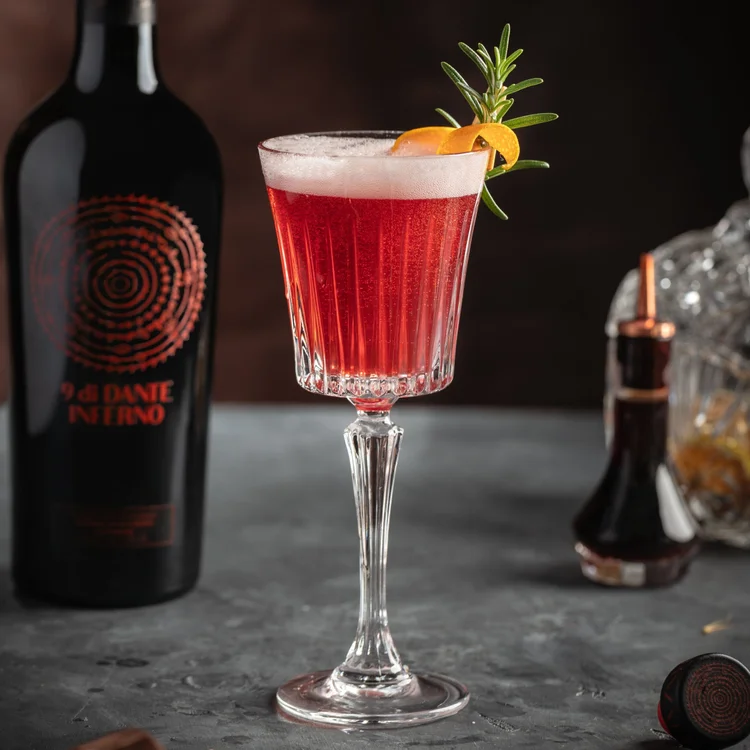
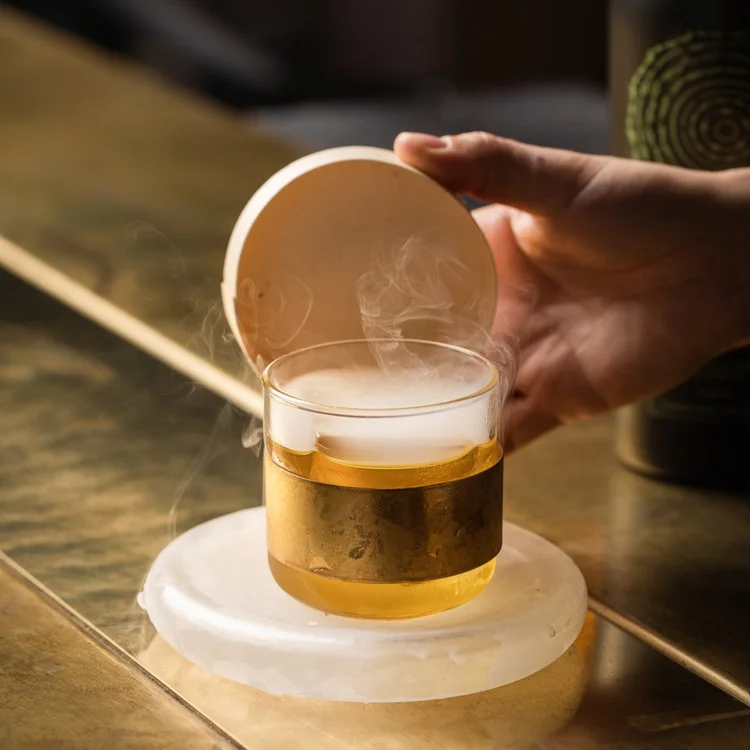
ABV figures are estimates, to be confirmed. [PLACEHOLDER] marks a spec still to confirm.
House serves and new ideas.
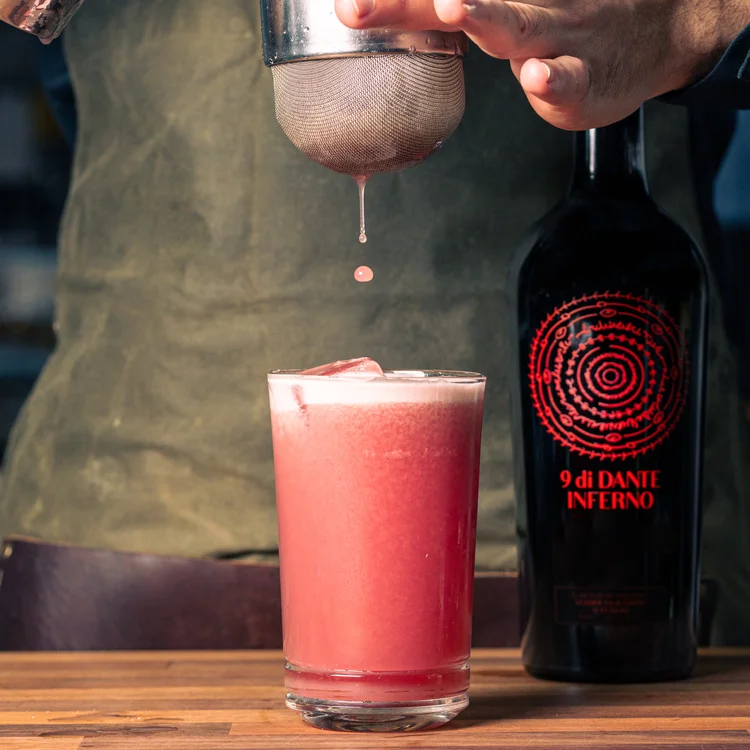
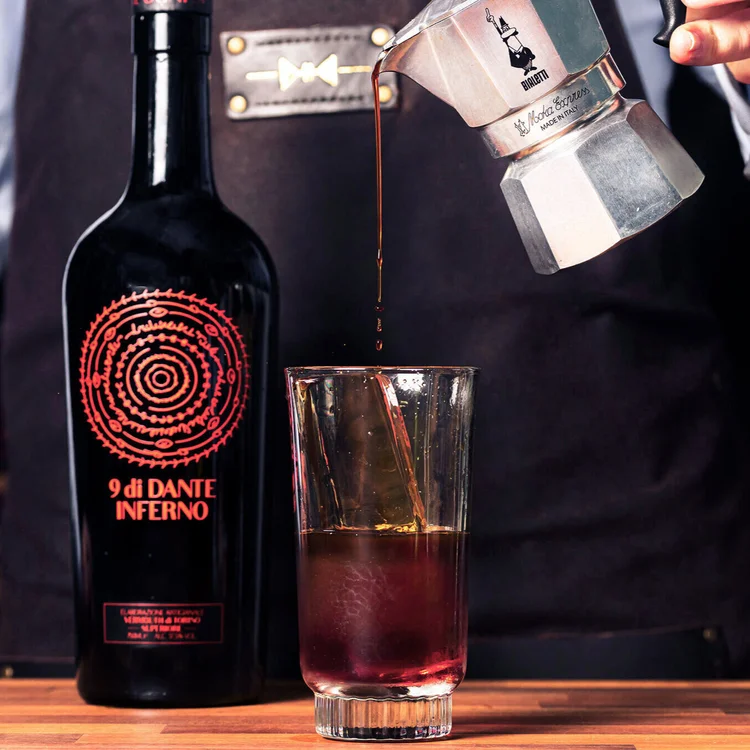
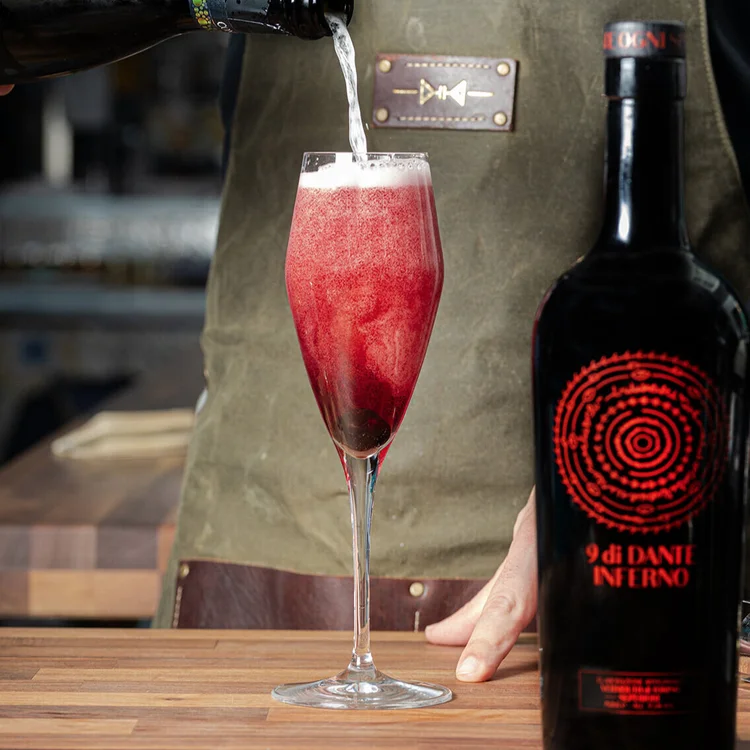
ABV figures are estimates, to be confirmed. [PLACEHOLDER] marks a spec still to confirm.
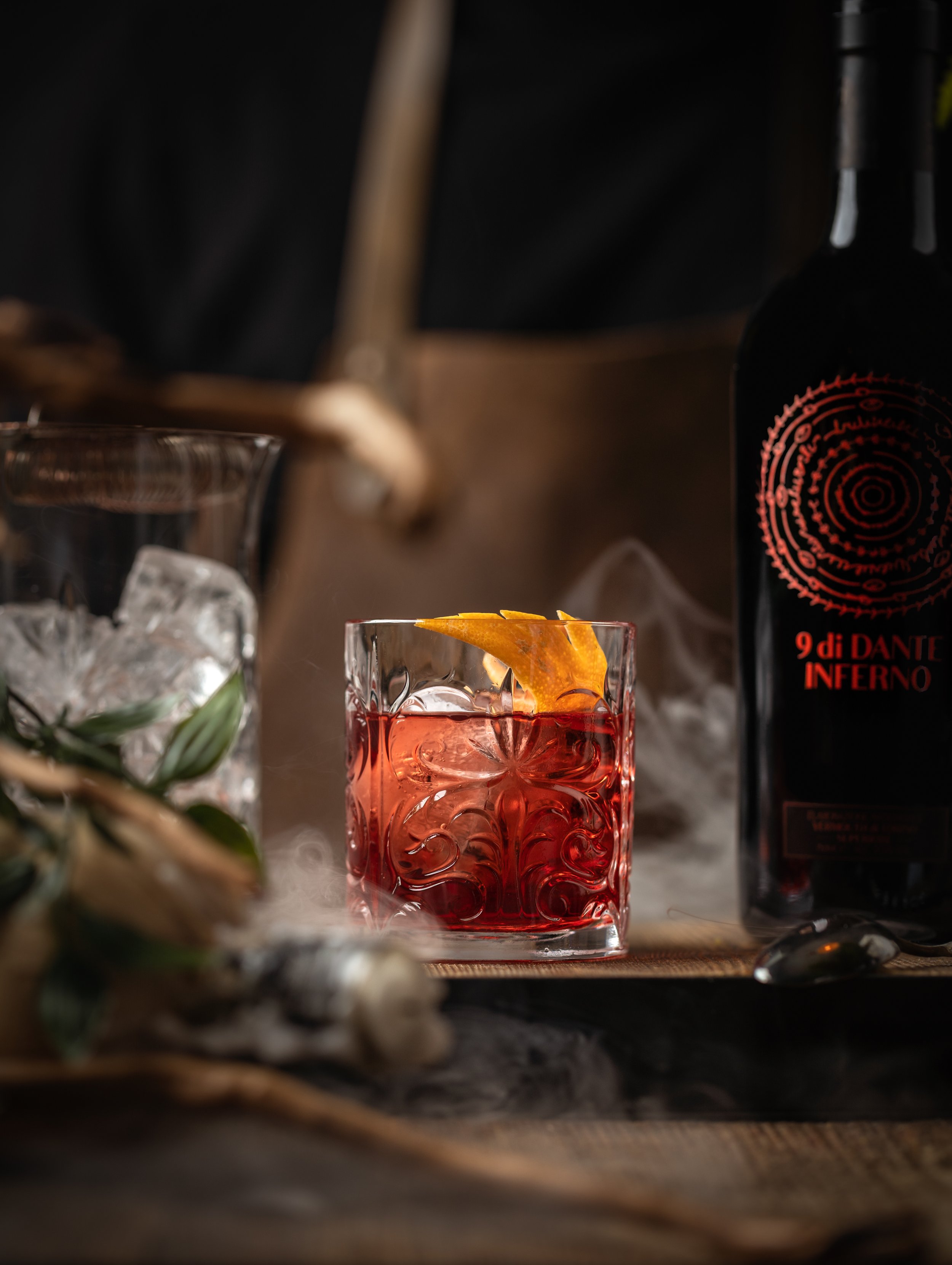
30 ml INFERNO · 30 ml gin · 30 ml red bitter. Stir on ice, orange peel. [DRAFT SPEC — confirm with Mario]
Equal parts. Unequal pleasure.
45 ml rye · 45 ml INFERNO · 2 dashes aromatic bitters. Stir, cherry. [DRAFT SPEC — confirm with Mario]
Half whiskey, half confession.
45 ml gin · 45 ml PURGATORIO · dash orange bitters. Stir, lemon twist. [DRAFT SPEC — confirm with Mario]
The Martini, forgiven.
PARADISO, tequila or mezcal, grapefruit, topped long.
Sunshine with a past.
Make your own luck.
Vermouth di Torino, explained
Vermouth di Torino is vermouth made in Piedmont, the region around Turin where vermouth was born in the late eighteenth century. Since 2017 the name has been protected, with its own rules on what goes into the bottle, where it comes from, and what may be called Superiore.
The rules, in short
At least three-quarters of the drink is wine, made from Italian grapes.
From 16% up to just under 22% alcohol by volume.
Artemisia absinthium, Artemisia pontica or both, grown or harvested in Piedmont.
It can be made anywhere in Piedmont, not only in Turin.
Extra dry under 30 g of sugar per litre, dry under 50 g, sweet from 130 g.
The only colouring permitted is caramel. Many reds use it. Some, like ours, get their colour from the wine.
Where it comes from
People have flavoured wine with herbs since antiquity, but vermouth as we know it took shape in Turin in the late eighteenth century. The name comes from the German Wermut, wormwood, the bitter herb that defines it.
Turin's cafés and the court of the House of Savoy made it fashionable, and by the nineteenth century it was already known well beyond Piedmont. In 2017 Italy gave Vermouth di Torino its own protected name, now recognised across the European Union as a geographical indication.
The top level
Superiore is the top level of Vermouth di Torino, with stricter rules on strength and origin.
How 9diDANTE does it
All three 9diDANTE vermouths are Vermouth di Torino Superiore, made just outside Alba. We go further than the rules ask: all of our wine is Piedmont DOC, from native grapes, and each vermouth carries 27 botanicals.
| Vermouth | Style | Wine | Alcohol |
|---|---|---|---|
| INFERNO | Rosso | 50% Dolcetto, 50% Cortese | 17.5% |
| PURGATORIO | Extra dry | 60% Arneis, 40% Cortese | 18% |
| PARADISO | Rosé | 88% Cortese, 12% Langhe Nebbiolo | 18% |
INFERNO's deep red comes from Dolcetto, not caramel. Read more about our grapes and our herbs.
Questions
Vermouth di Torino is a protected name for vermouth made in Piedmont, in north-west Italy. It must be at least 75% wine, between 16% and just under 22% alcohol, and flavoured with wormwood grown or harvested in Piedmont.
No. Despite the name, Vermouth di Torino can be made anywhere in Piedmont. Turin is where vermouth was born, and it gave the category its name.
Superiore is the top level of Vermouth di Torino. It must be at least 17% alcohol, at least half of the finished vermouth must be Piedmont wine, and herbs other than wormwood must also come from Piedmont.
Any aromatised wine flavoured with wormwood and made under European rules can be called vermouth, wherever it is made. Vermouth di Torino must also be made in Piedmont, with Piedmont wormwood and under its own stricter specification.
Yes. Every vermouth gets its character from wormwood, and Vermouth di Torino must use common wormwood, Roman wormwood or both, grown or harvested in Piedmont.
Yes. It comes in three levels of sweetness: extra dry, with under 30 g of sugar per litre; dry, with under 50 g; and sweet, with 130 g or more. PURGATORIO is an extra dry Vermouth di Torino Superiore.
Neat over ice with a twist of citrus, or in classic cocktails such as the Negroni, the Manhattan and the Martini. It is also the base of many spritzes.
Source: Vermouth di Torino product specification, recognised by Italian decree of 22 March 2017.